
THE WEATHER KEEPS CHANGING WHERE I LIVE

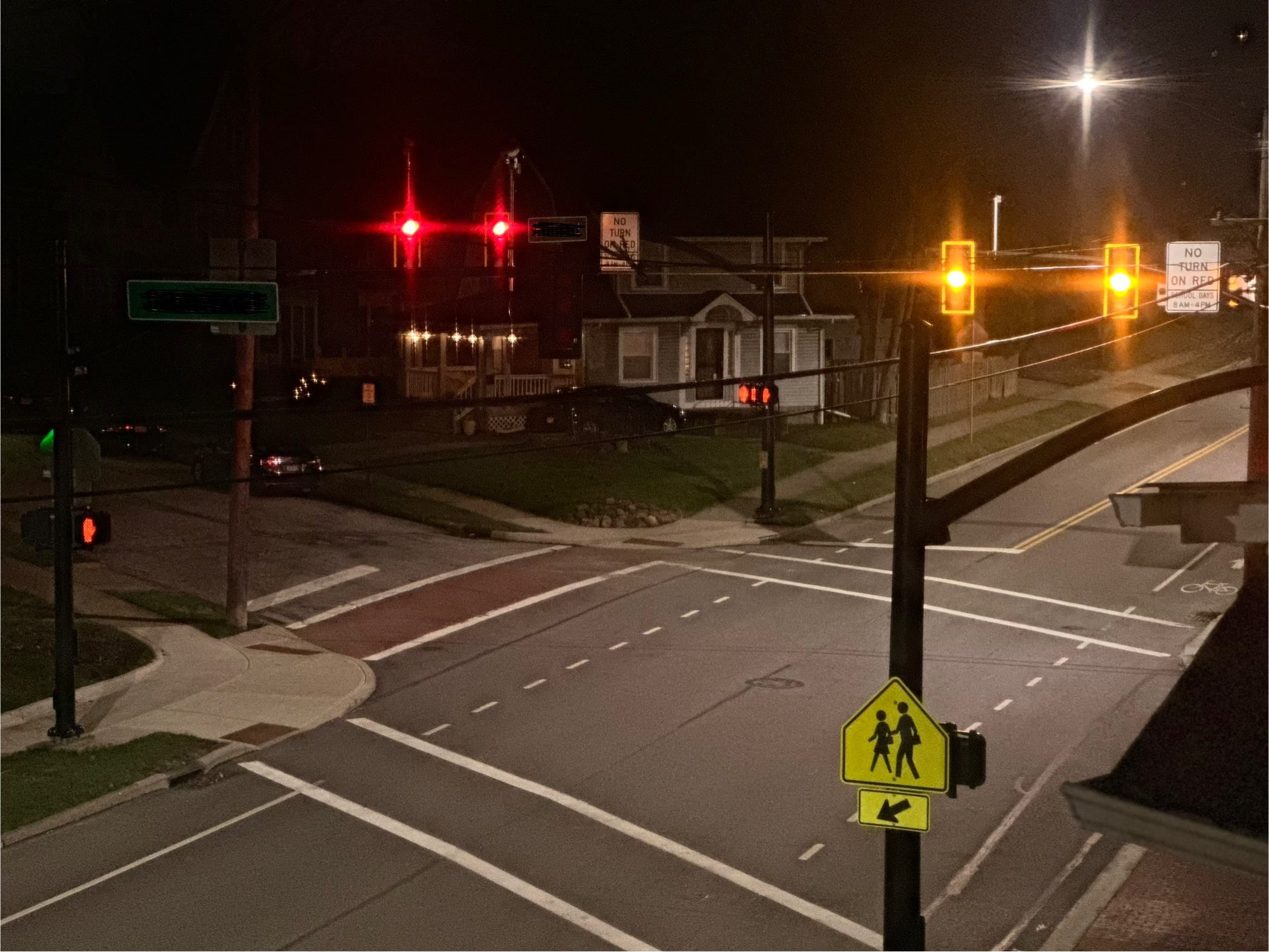
The weather keeps changing where I live. It’s sunny and seventy one day, cold as hell the next, and hailing after that. Even as my allergies eat at my patience, there’s something interesting in all of these rapid changes. Maybe I sometimes look too deep into things, or even all the time. You could say I’m a man who thinks in comparatives. But hot to cold, seemingly in an instant, reminds me so much of how it feels to create things.
It could specifically relate to my relationship with writing. I don’t find it too difficult to keep bouncing from project to project, across different mediums. With writing, though, it’s like some days I can easily pour onto pages, while others I can only make it through a paragraph or two before I just say, “damn, not right now.”
There are practical, weather-attached reasons for why a cold front sticks, but my writing process is not so simple. I can only crack a smile at something I wrote once I read it back and genuinely feel like it’s the most flammable thing I could have cooked up at the time—super hot, spitfire-level only. If it’s not a “heat rock,” like Wayne once said, I can hardly think it’s decent. If I had to guess, it’s probably because so much of my investment in writing is tied to how I gained interest in word-painting to begin with. For much of my life, I’ve listened for lyrics that make me go, “how did they even think of this,” during playback after playback.
That fire is like sunshine for my mind; it wakes up those muscles and keeps the ions and neurotransmitters moving in rhythm. But even when the sun rises, not everyone can stay moving every day. In fact, no matter what overachievers say, there’s no one I know who’s never had a day off. Most people strive to create their own days off after they’ve worked hard enough to earn one.
DIFFERENT REASONS FOR DIFFERENT SEASONS
In writing, I would call those days off “cool down periods.” They raise a different question: what does it mean to stay committed without constant output?
It’s not all about production, but I still want to stay productive. It’s difficult to feel focused if I let days go by without creating something I could eventually share. Still, I realize that when I write, it’s primarily for myself.
It’s good for me to move my thoughts from one place to another. I can confidently say I have hundreds of written thoughts—pieces, articles, whatever you want to call them—that will probably never be read by anyone, unless I died tomorrow and they were taken as evidence to find who’d done it.
There’s a book of poetry that I’ve been working on for about two-and-a-half years now. Every time someone asks when it’s coming out, I say whatever comes to mind. I don’t feel it’s within my priorities to name a date, month, or even a year, but I know one day it will be out. I’d call it a heatwave, because I’m confident it’ll raise body temperatures.
Most of its contents were written during times of severe heat patterns. Some thoughts are frozen to the page and stay there. Not all of it is evergreen, but it’s whatever. If I need to add or subtract timely and untimely work when the time comes, so be it.
BURN AND TURN
If you’ve made it this far, hopefully I haven’t lost you in a ramble when you thought you were en route to some desirable words of wisdom. What I’m really explaining is that my creative process isn’t about how much time I spend working. And yours shouldn’t be about how “good” you think what you’ve made will do under other people’s judgment, despite my own struggles with that.
That’s something I deal with—mostly only finding satisfaction in near-perfection or better. Don’t be like me.
It’s never a bad thing to want your work to be great. Just make sure it’s actually great to you, and not just eye candy for other people to fall in love with. If you’re off to a cold start, remind yourself it’s good to need a warm-up. Afterward, you’ll be better prepared to run on and not run out of thoughts too early. It’s not a race.
We lose our sense of reasoning once we become too malleable, even if it’s because we want to stay “hot.” Bending our work into someone else’s idea of what it should be steals its value. What’s left is an item with no origin or space of its own.
If I’m working on something meant to show who I am, or to form a community based on my concepts, I turn away from conformity. I might seek opinions, but the only person who can create art I’m proud to put my name on is me.
WHATEVER THE WEATHER
R
So what does it mean to accept the inconsistency? While my creative ideas are rapid and unpredictable, I can definitely get streaky. It could be cold outside as I’m writing trailblazers. When it rains, I’m usually right on the money.
I still haven’t found a reason why I can write fluently yet inconsistently, but I find it to be a beautiful thing. Whether it’s my state of mind, body, or spirit, I never have full control over what I’m going to think or say next. It’s not magic—my process is for no one else to know, but for me to find out. Still, eventually, flowers might appear.
So no matter how it seems, my advice for anyone in a creative space, if it feels tough to keep up with the pace, is to give yourself some grace.
Doing what you love comes with the understanding that you’re supposed to be the one in love with it, and you can’t control how often you’ll get love from it. When we walk outside each day, we don’t know if the way it started will be the same way it ends.
It can be hard to plan for the weather where I live, but it makes for a better story.